
 01
Signal information
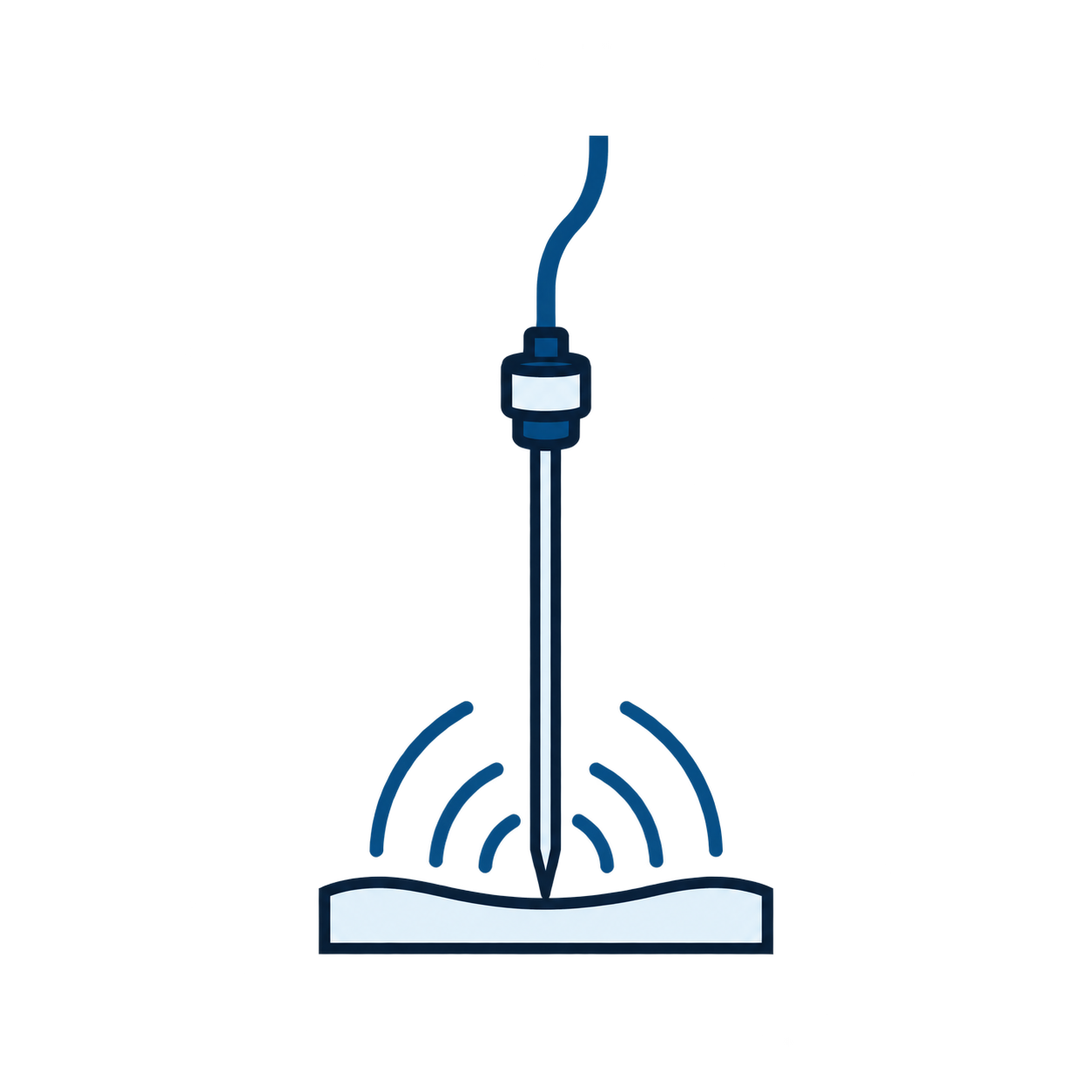
Identify patterns connected to tissue contact and layer transitions.
Krakow, Poland / Computer Science / Experimental AI
PhD researcher at AGH University of Krakow
I design experiments and machine-learning studies for vibroacoustic needle guidance. My work begins with the physical setup, continues through signal processing and ends with validation that reflects how the data were collected.
Current research
Needle contact creates vibrations that travel through the instrument. My PhD investigates whether those signals can identify tissue and layer transitions when the tool, operator, session and sensor conditions change.
Official doctoral topic / ZB 0229/26
Vibroacoustic Tissue Fingerprinting using Machine and Deep Learning for application in Robotic Assisted Needle and Therapy Procedures
Supervised by Prof. Michael Friebe, PhD at the AGH Faculty of Computer Science.
Open the official AGH topic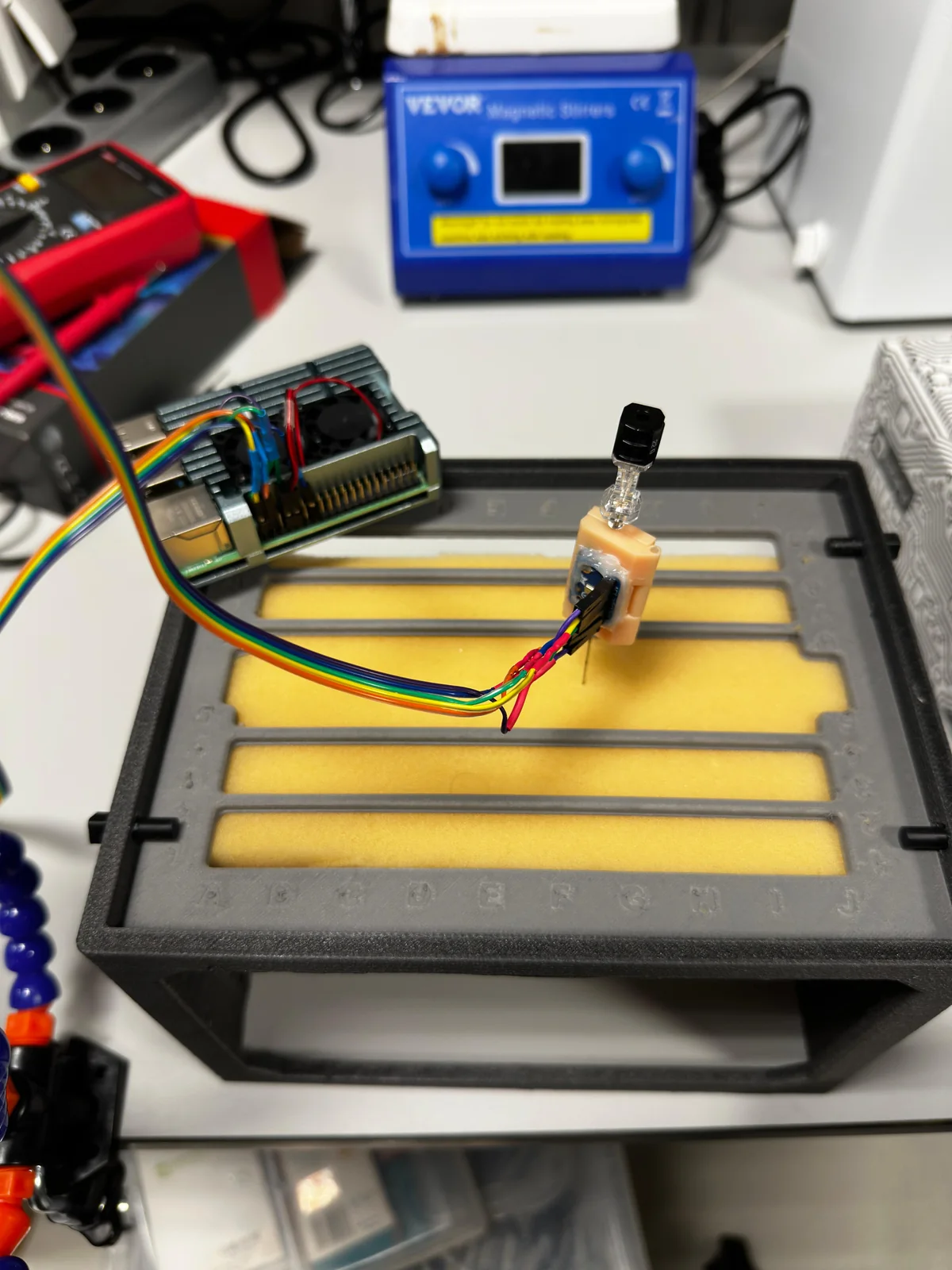 01
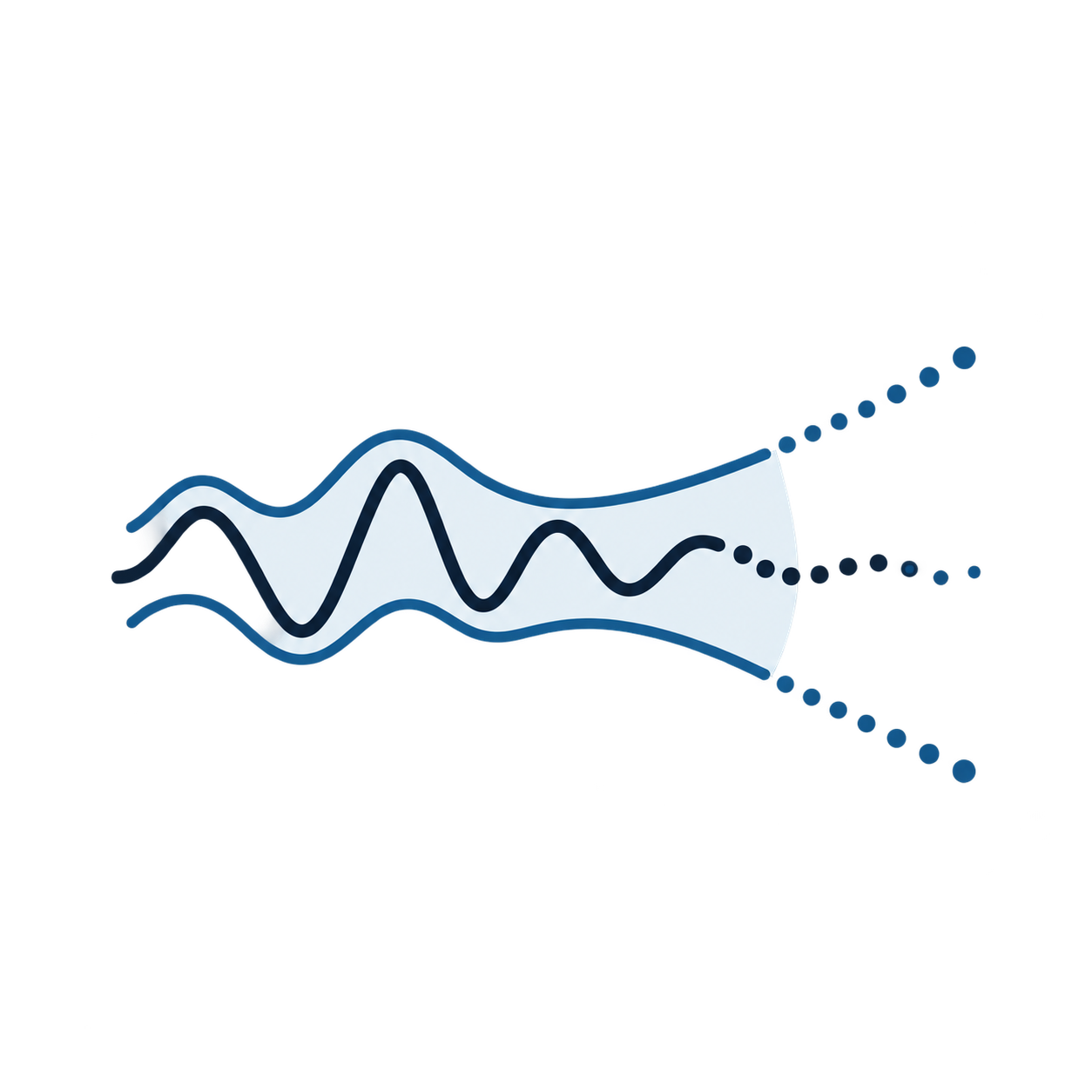
Identify patterns connected to tissue contact and layer transitions.
 02
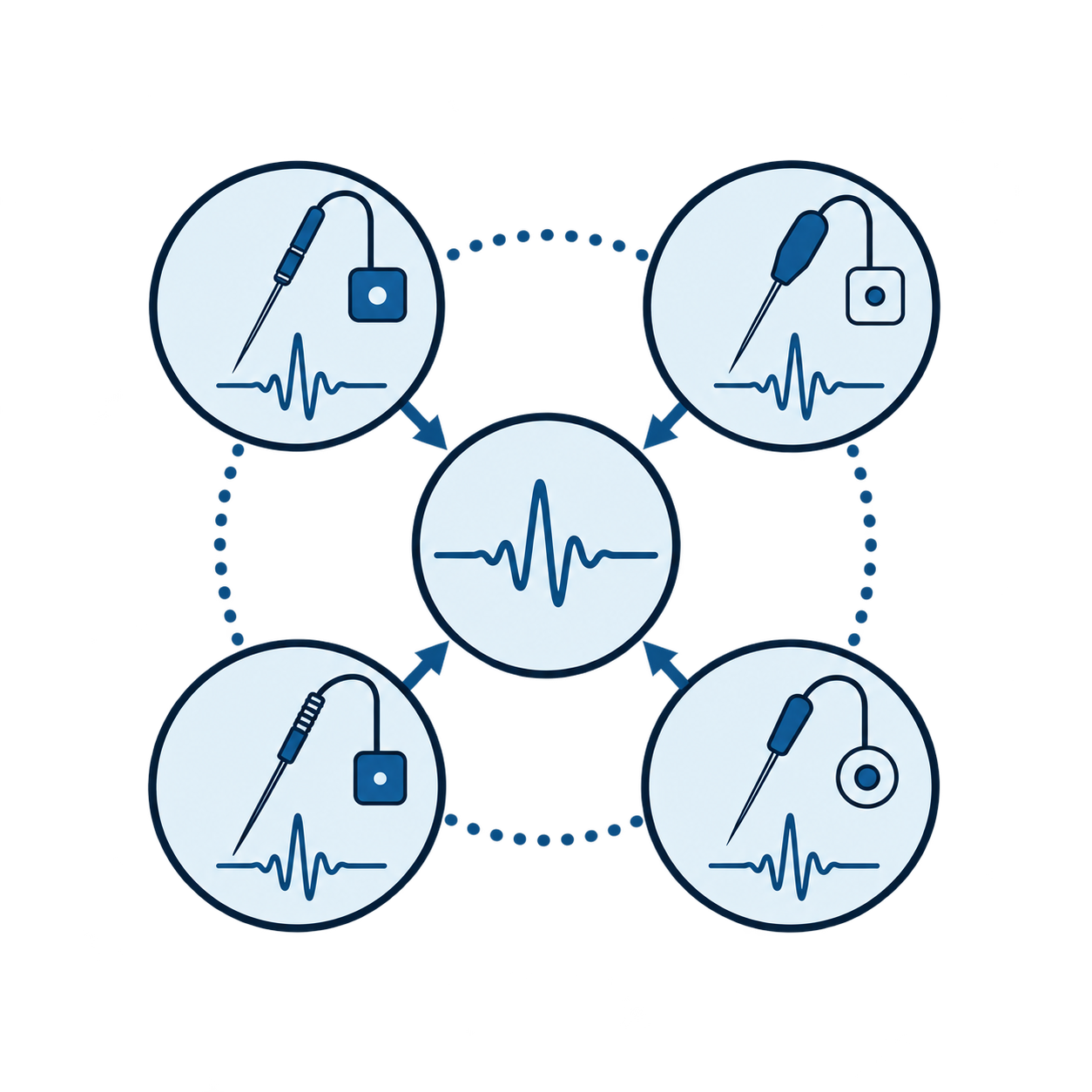
Test whether those patterns remain useful across tool, operator, session and sensor changes.
 03
Recognise unfamiliar conditions instead of returning unsupported confidence.
Projects and laboratory work
These projects shaped how I work: start from the physical system, document how data are produced, and check the result against the experiment.
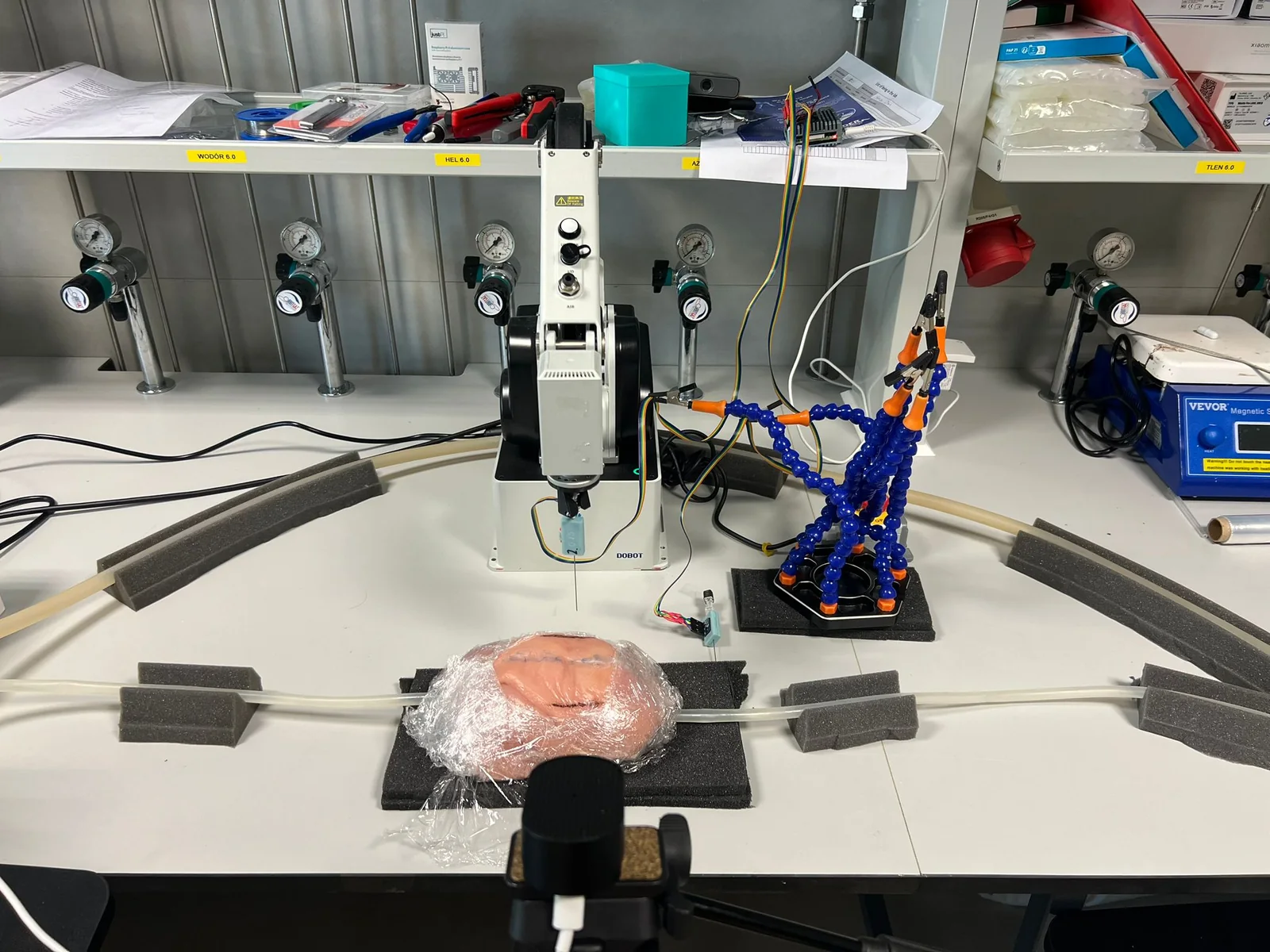
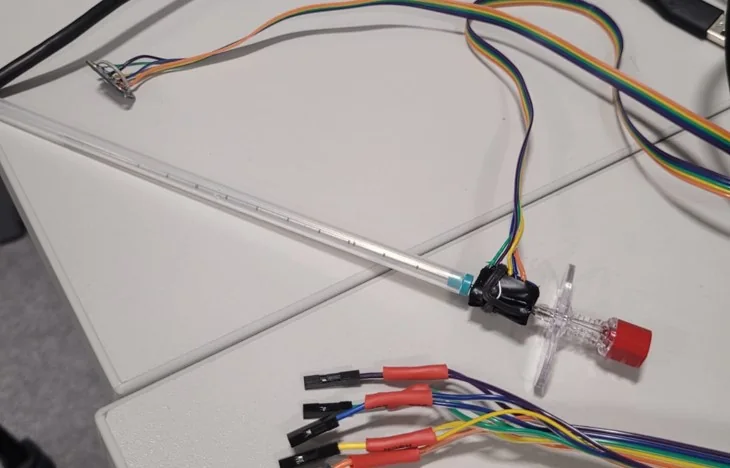
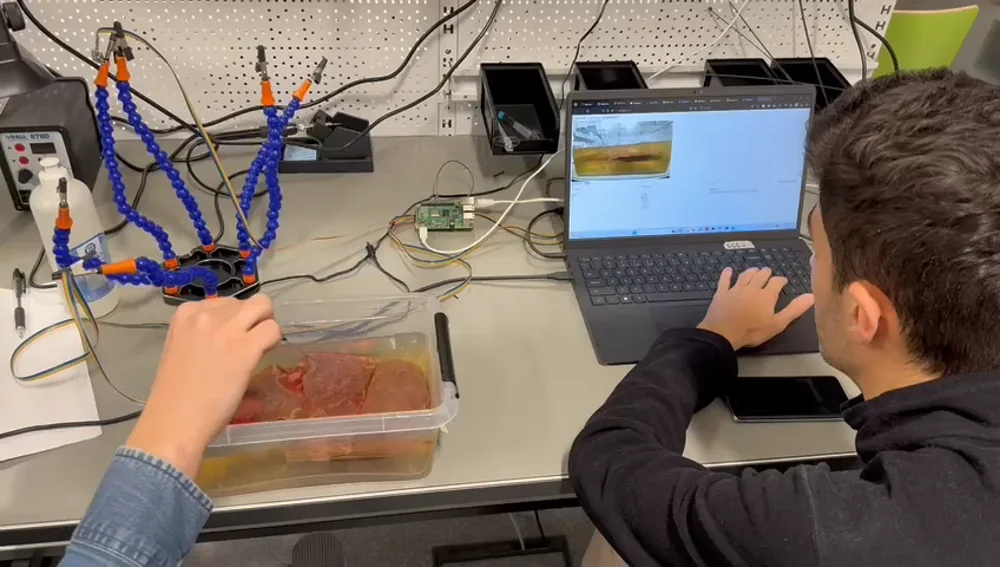
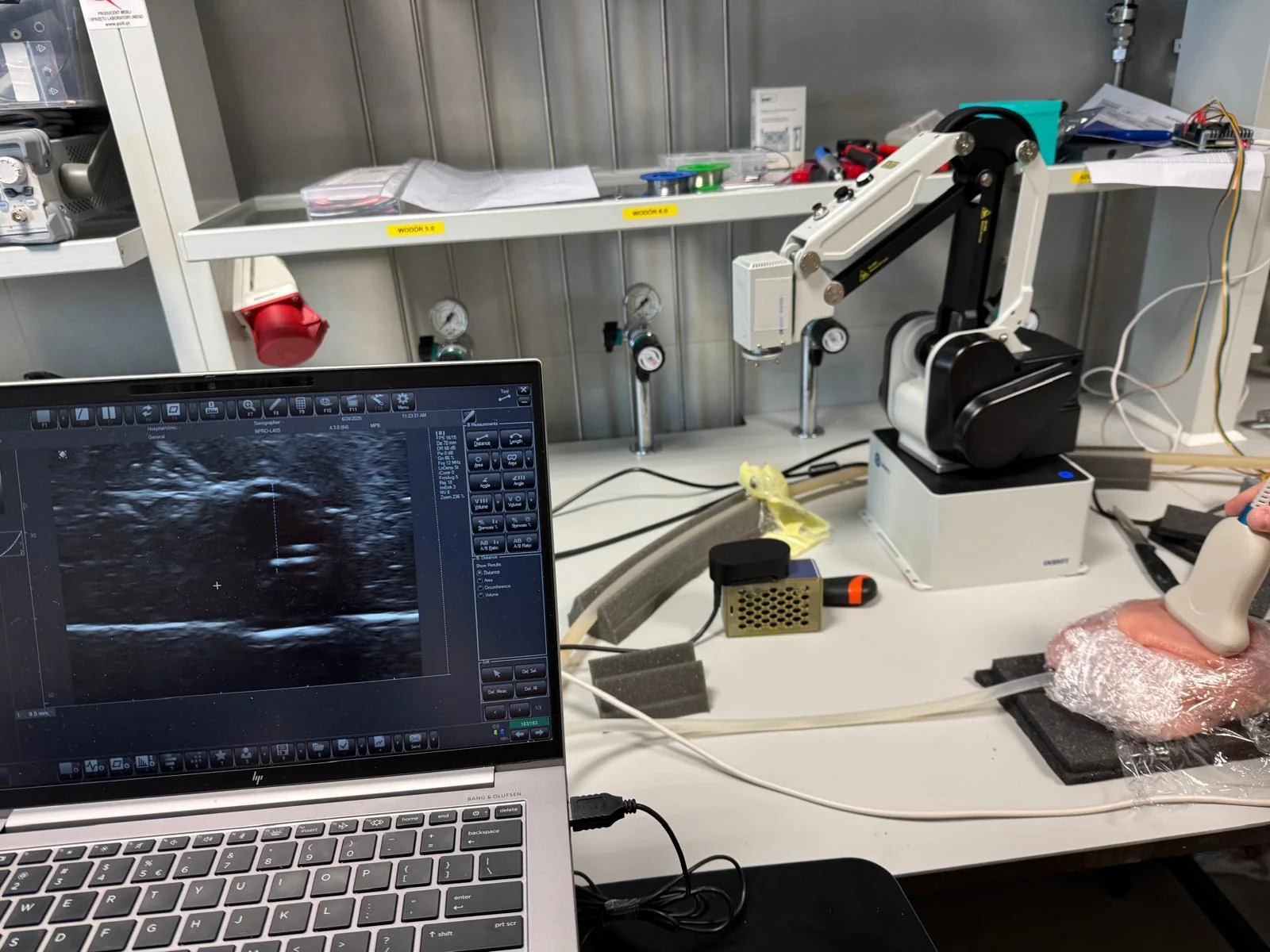
VIBRONAV studies signals produced when a medical tool interacts with tissue. The current INNOGLOBO project is developing a wireless clip-on sensing system for real-time support in minimally invasive procedures.
My contribution
I entered the team through website and software work, then moved into experimental setup, manual and robot-assisted acquisition, quality review, and Python/API automation for repeatable Dobot MG400 puncture sequences at AGH.
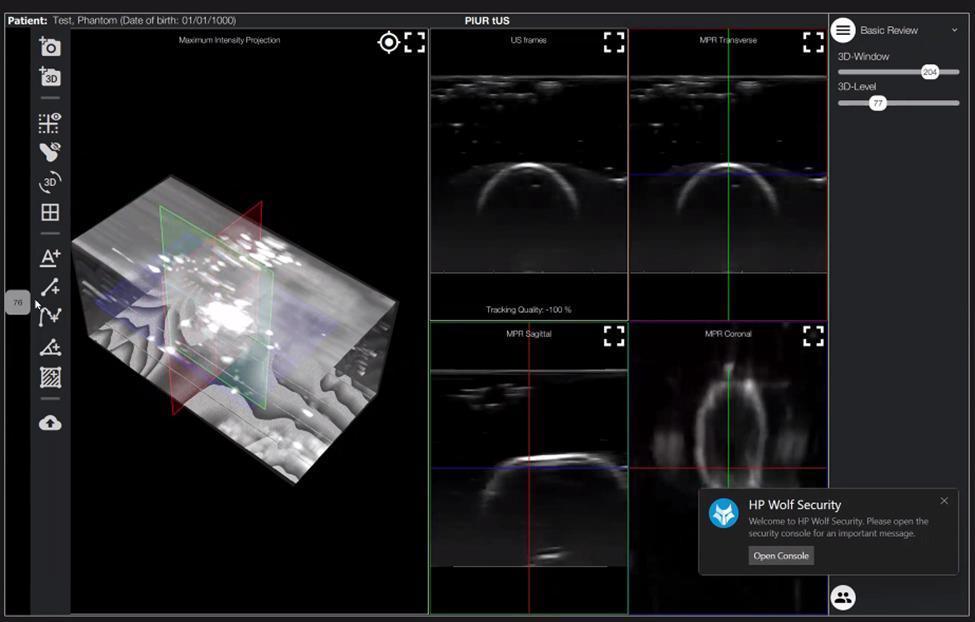
UltraClear developed a handheld hybrid SPECT and ultrasound imaging system that combines anatomical ultrasound with functional gamma information. The project focused on a portable probe, image fusion and prototype validation.
My contribution
My work covered prototype testing, signal and data software, 3D components, and hardware-software integration. The project is complete and is not presented as an active PhD commitment.
Academic and research path
The sequence matters because each stage added a part of the research process I now use in my PhD.
I joined VIBRONAV while studying for my Bachelor's degree and first worked on the research website and supporting software.
Laboratory work expanded my role into setup preparation, manual measurements, signal acquisition and data-quality review.
I developed the Python/API workflow for calibration, puncture sequences and acquisition integration. This work became my Bachelor's thesis.
I designed and ran the needle study, prepared and annotated the dataset, compared machine-learning approaches, and used recording-grouped validation. The work led to my first-author BMT contribution.
The PhD now asks whether tissue information remains reliable when experimental conditions change.
Education at AGH University of Krakow
Faculty of Electrical Engineering, Automatics, Computer Science and Biomedical Engineering, AGH University of Krakow
Artificial Intelligence and Data Analysis, AGH University of Krakow, final average 4.55/5
Faculty of Computer Science (Wydział Informatyki), AGH University of Krakow
Selected publications
The roles below separate collaborative experimental work from the study I led as first and corresponding author.
First and corresponding author. I led the experiments, dataset, machine learning, validation and manuscript.
I supported the setup and selected measurements, then reviewed the acquired data and results with the team.
I contributed to prototype-test setup, repeated measurements, data acquisition and signal review.
I helped develop the setup, acquired audio and coordinated data preparation and annotation. Another author developed the model.
Work with students
BSc and MSc students interested in experiments, signal processing or machine learning are welcome to get in touch. You do not need a finished proposal.
The ideas below are starting points, not fixed assignments. We can narrow the scope to your background and the data or equipment available. I prefer direct, relaxed collaboration where questions are welcome.
I can support the day-to-day research. Formal supervision, topic approval and availability are handled through Prof. Michael Friebe, PhD and AGH.
View the research group student opportunitiesEach idea addresses one part of the research. The exact question, dataset and methods would be agreed before a thesis begins.
BSc or MSc
Compare acoustic features and compact machine-learning models for tissue classification. The focus is on careful data splits, reproducible results and practical inference costs.
MSc
Investigate when a needle crosses a boundary between layers in a controlled phantom. Combine signal analysis with a clearly defined timing or position reference.
MSc
Measure what happens when a model encounters a different needle, insertion speed or recording session. Start with a small, controlled comparison and held-out conditions.
MSc
Examine which parts of a signal influence a prediction, then test whether those explanations are stable. The goal is to understand model behaviour, not claim biological causality.
About and contact
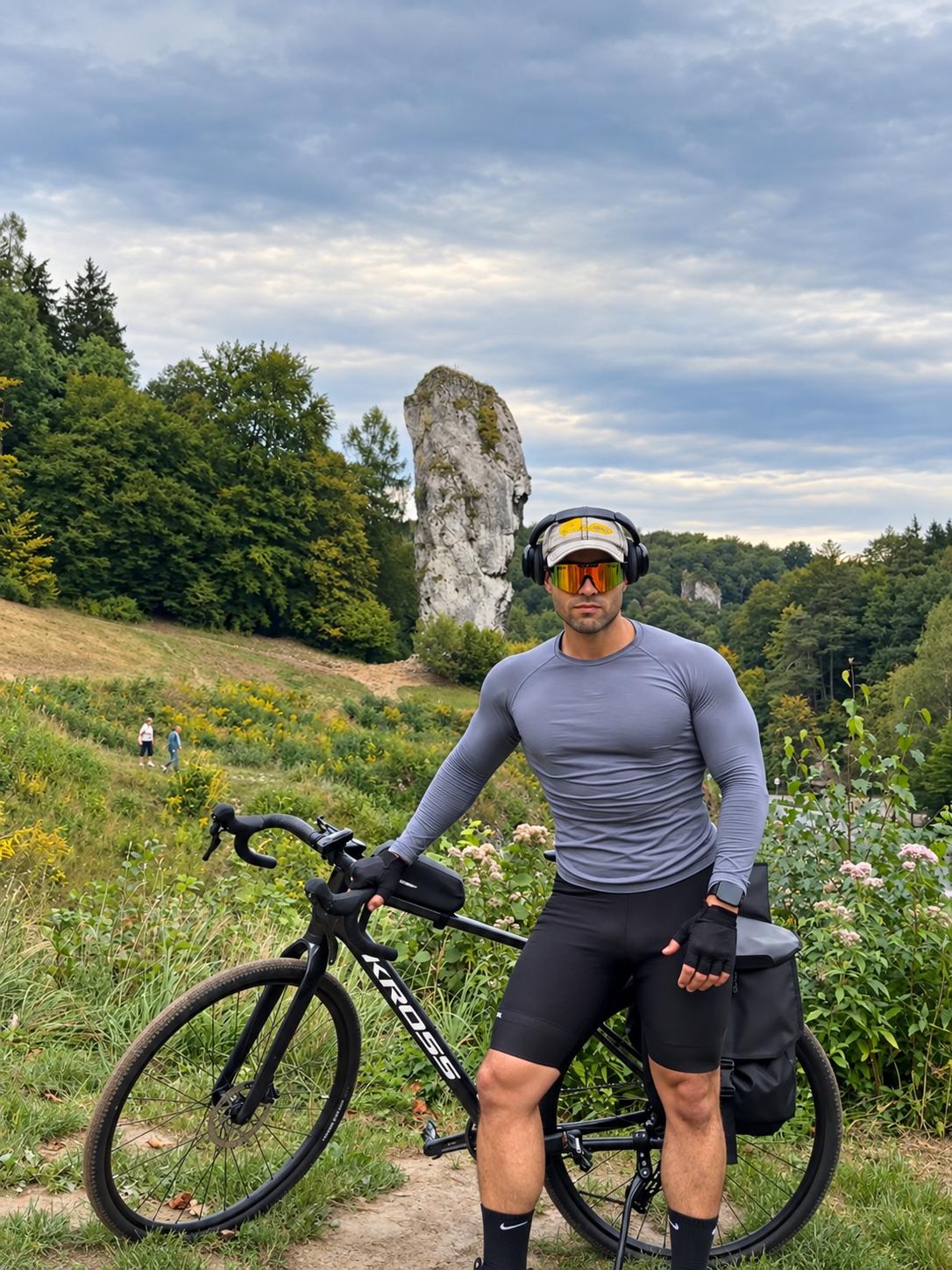
I am a Turkish researcher living in Krakow. Alongside my PhD, I work as a ServiceNow Developer at EY GDS Poland and hold professional ServiceNow certifications. My software background includes Python, automation systems, REST APIs, React, TypeScript, Java and Spring. I worked more extensively with C# before moving to Java for work. My research also uses signal processing, machine learning and deep learning for experimental data.
Research gives that software work a physical setting. I enjoy building the experiment, seeing how the signal was produced, and checking whether the analysis still makes sense outside one convenient split of the data.
Away from research, I am a devoted Lord of the Rings fan and enjoy fantasy and history books. I have followed PC games since childhood, although there is much less time to play now. Strength training and fitness have been part of my life for 10 years, including periods of coaching and competition. I also enjoy cycling trips, hiking, climbing, canoeing and more.
I used to dance and still enjoy salsa, bachata, tango and modern dance. I am easygoing, enjoy conversation and friendly debate, and am usually happy to discuss almost any subject. I bring the same open atmosphere to day-to-day research collaboration while keeping the work itself clear and serious.
Contact
For research or a thesis idea, my AGH email is the best place to start.
AGH emailozdil@agh.edu.plPersonal emailozdiloguzhanberke@gmail.comLinkedInoguzhanberkeozdilGitHubOguzhanBerkeOzdilGoogle ScholarOğuzhan Berke ÖzdilORCID0009-0004-6967-0587Instagram@berkeozdilFacebookoguzhanberke.ozdil